
Aortic Dissection
What is aortic dissection?
Aortic dissection is a life-threatening condition caused by the weakening of the aorta wall. The inner (intimal) layer of the aorta tears, and blood flows through the tear, splitting the intimal layer from the middle layer of the aorta. This split is known as aortic dissection. Aortic dissection can develop suddenly or slowly over time.

What are the Causes & symptoms of Aortic Dissection?
What Causes Aortic Dissection?
Several factors can weaken the aortic wall and increase the risk of dissection. The most common causes include:
- High blood pressure (hypertension): Constant pressure weakens the artery walls over time.
- Atherosclerosis: Hardening of the arteries can make them more prone to tearing.
- Genetic conditions: Disorders like Marfan syndrome or connective tissue diseases can affect the strength of the aorta.
- Heart conditions: Pre-existing heart valve diseases or previous surgeries may increase risk.
- Trauma or injury: Severe chest injury can also trigger a tear in the aorta.
Signs and Symptoms Aortic Dissection
Recognizing symptoms early can save lives. Common signs include:
- Sudden, severe chest or upper back pain (often described as tearing or ripping)
- Shortness of breath
- Fainting or dizziness
- Weak pulse in one arm
- Difference in blood pressure between arms
- Stroke-like symptoms such as difficulty speaking or weakness
What are the types of aortic dissection?
Aortic dissections are divided into two main types according to the part of the aorta affected:
- Type A aortic dissection.
- Type B aortic dissection.
What is Type A Aortic Dissection?
Type A aortic dissection affects the ascending aorta, which is the part closest to the heart. This is considered more dangerous and requires emergency surgery.
If not treated immediately, it can lead to complications such as:
- Heart failure
- Stroke
- Rupture of the aorta
What is Type B Aortic Dissection?
Type B aortic dissection occurs in the descending part of the aorta, which extends down through the chest and abdomen.
Unlike Type A, Type B dissection may sometimes be managed with medications, especially if there are no complications. These medications help control blood pressure and reduce stress on the aorta.
However, in severe cases, surgery or minimally invasive procedures may still be required.
Aortic Dissection: Diagnosis and Screening
Aortic dissections are usually detected through imaging tests that provide detailed views of the blood vessels and aortic wall.
Common diagnostic methods include:
- Ultrasound scan: Often used to screen for abdominal aortic aneurysms (AAA).
- CT Angiogram (CTA): Produces high-resolution images to assess the size, shape and extent of an aneurysm or dissection.
- MRI or Echocardiography: Sometimes used for long-term monitoring or in patients requiring closer follow-up.
Regular screening is especially recommended for individuals with a family history of aneurysm or known risk factors such as hypertension or smoking.
Early detection allows timely treatment and greatly reduces the risk of complications.
Aortic Dissection Treatment
Less severe cases may be treated with medication until complications develop, but for most aortic dissections, surgery is the only solution. Type A dissections require immediate emergency surgery, while Type B dissections require urgent or emergency surgery, depending on severity.
Two main procedures to treat aortic dissection:
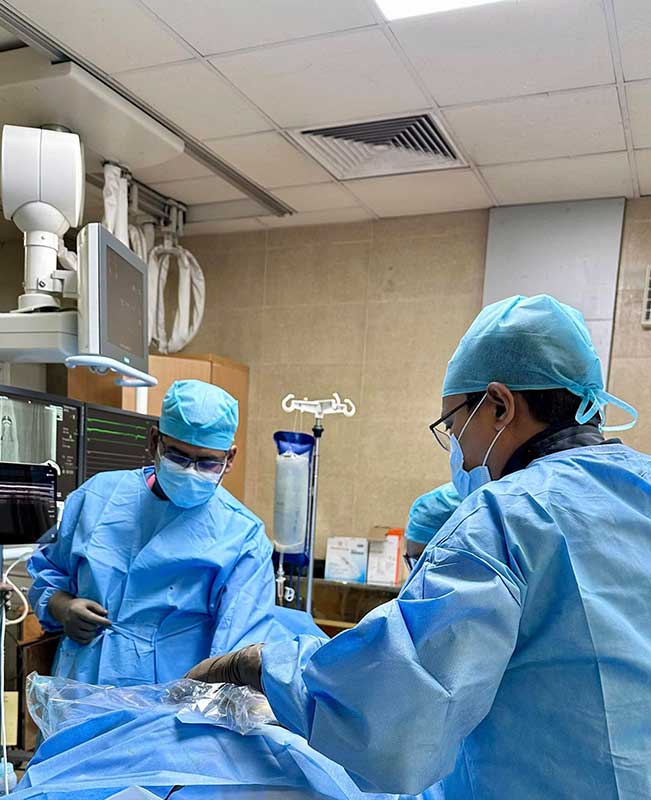
- Endovascular repair: This technique is a minimally invasive procedure that uses small incisions to allow the surgeon to insert a tiny tube into your blood vessel and deliver a repair patch called a stent to the site of the tear.
- Replacement: In graft replacement, surgeons replace the damaged portion of the aorta with a synthetic tube.